SIOS SANless clusters

SIOS SANless clusters High-availability Machine Learning monitoring

  • Home
  • Products
    • SIOS DataKeeper for Windows
    • SIOS Protection Suite for Linux
  • News and Events
  • Clustering Simplified
  • Success Stories
  • Contact Us
  • English
  • 中文 (中国)
  • 中文 (台灣)
  • 한국어
  • Bahasa Indonesia
  • ไทย

IT Briefcase Exclusive Interview with SIOS Technology: SAN-based vs. Cloud Clusters

December 15, 2014 by <a href="/tag/it-briefcase/">IT Briefcase</a> Leave a Comment

In this interview,  Jerry Melnick, COO, SIOS Technology discusses the difference between SAN-based and Cloud data storage clusters, and the benefits and drawbacks of each approach.

SAN-based clusters have been the traditional way to protect critical applications and data. Is this still the case?
Traditional clusters based on shared storage (typically SAN) are no longer the de facto choice for providing high availability and disaster protection for business critical applications. Companies are finding new ways to combine physical, virtual, and cloud environments into new configurations to control costs and stay agile in today’s demanding marketplace. In these environments, traditional SAN-based clusters have significant drawbacks. SAN storage can be costly to buy and require specialized skills to manage. They also introduce the risks of a single point of failure. In addition, shared storage is not typically offered in public cloud environments. In these environments, SANLess clusters that provide the same level of protection without requiring shared storage are often a better option.

Can you create a cluster in the cloud?
Yes, in a Windows environment, you can use native Windows Server Failover Clustering to create a cluster in a cloud by simply adding SANLess clustering software. You can locate cluster nodes in geographically separated instances in public cloud environments for disaster protection. The software synchronizes local storage on source and target nodes in the cloud, making them appear to the WSFC as shared storage. If a failure occurs, WSFC moves the application operation to the remote node in the same way it does in a traditional shared storage cluster.

What technologies are available to reduce the financial burden of SAN administration and deliver the flexibility data centers need today?
SANLess clusters reduce the financial burden of traditional shared storage clusters in severael ways. They eliminate the significant hardware cost of SAN storage. They eliminate the labor cost of specialized SAN administration. \ SANLess clusters also support local SSD storage, enabling high performance and high availability for a fraction of the cost of a SAN-based cluster.

How can a SANLess cluster make providing disaster protection easier?
A SANLess cluster solution lets you implement disaster protection without the need for identical SAN hardware in both your primary and disaster recovery locations. You can replicate between any two environments physical, virtual, or cloud for disaster protection. For example, you can maintain a SAN or SANLess cluster at your primary data center and add a node in a public cloud for disaster recovery. This configuration not only saves the cost of SAN storage, but also the cost of building out a remote data center.

You can create SANLess clusters in a public cloud with nodes in separate geographic zones or even in two different public cloud provider environments, such as Amazon EC2 and Microsoft Azure for protection from local, regional, and even provider-wide outages.

Do traditional high availability clusters have an impact on application performance?
Because SAN-based clusters are typically optimized for capacity rather than performance, SANs can slow performance of highly transactional applications, such as SQL Server and Oracle databases. SAN performance can lag behind new, faster server CPUs, causing idle server time, slower application response times, and a potentially costly loss of productivity. Because SANLess environments access disk installed locally, there is no latency and no loss of performance in servers with even the fastest CPUs. As noted above, you can also use SANLess clusters with cost-efficient local high performance SSD storage.

Can you use a SANLess cluster in a virtual server environment?
Yes you can. In fact, SANLess clusters eliminate the limitations imposed when you use traditional shared storage based technology for clustering VM’s in a virtual environment. When using traditional shared storage clustering in virtual server environments, you need to use using Raw Disk Mapping (RDM) or Pass-through disks. This is a complex storage setup that limits desirable virtual machine functionality and mobility such as VMotion/Live Migration. In contrast, SANLess clustering supports all of the flexibility and agility offered in the virtual environment. It does this by allowing you to use virtual disks native to the hypervisor such as VMDK’s or VHDs thereby eliminating the need for RDM or Pass-through configurations.

What if I already have a SAN?
If you have already made the investment in SAN storage, you can continue to use it and protect your business critical applications with a SAN-based cluster. However, you may want to extend the cluster up into a cloud environment as a simple, cost-efficient way to protect your business critical applications from disasters without the need for a remote data center or disaster recovery site. Replicating from a cluster node connected to a SAN to another cluster node in the cloud can allow you to configure a multi-site WSFC failover between both environments with nodes in more than one geographic location for protection against local, regional and national disasters.

What is SIOS SAN and SANLess clustering software?
SIOS SAN and #SANLess clustering software provides the flexibility to build clusters your way to protect your choice of Windows or Linux environment and in any configuration (or combination) of physical, virtual and cloud (public, private, and hybrid) without sacrificing performance or availability. SIOS’ unique #SANLess clustering allow you to configure clusters with local storage, eliminating both the cost and the single-point-of-failure risk of traditional shared-SAN storage.
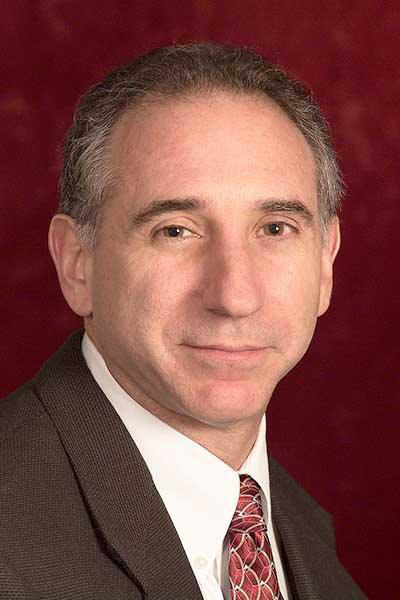
Jmelnick 4x6 hi res IT Briefcase Exclusive Interview with SIOS Technology: SANS based vs. Cloud Clusters

Jerry Melnick
COO, 
SIOS Technology Corp.

Jerry Melnick is responsible for defining corporate strategy and operations at SIOS Technology Corp. (http://www.us.sios.com), maker of SIOS SAN and #SANLess cluster software. He more than 25 years of experience in the enterprise and high availability software industries. He holds a Bachelor of Science degree from Beloit College with graduate work in Computer Engineering and Computer Science at Boston University.

Filed Under: News and Events, News posts Tagged With: #SANLess, #SANLess Clusters for Linux Environments, #SANLess Clusters for SQL Server Environments, #SANLess Clusters for Windows Environments, Amazon EC2, Amazon Web Services, Azure, Cloud, Clusters Your Way, disaster recovery, HA, High Availability, IT Briefcase

SIOS Webinar Offers Tips for High Availability SQL Deployments in Azure IaaS from Microsoft Clustering MVP

December 4, 2014 by sios2017

SAN MATEO, CA – December 4, 2014 – SIOS Technology Corp. (www.us.sios.com), maker of SAN and #SANLess clustering software products, today announced a live webinar featuring Microsoft Clustering MVP, Dave Bermingham.  His insights will lay the foundation for deploying highly available SQL Server instances in the Windows Azure Cloud in his second “SQL Clustering 101” webinar series.

Titled, “SQL Clustering 102: Highly Available SQL Deployments in Azure IaaS – What You Need to Know,” this webinar will be held on Tuesday, December 9, 2014 at 10:00 AM PST / 1:00 PM EST.

To register, please visit:  http://www.mssqltips.com/webcastSignupPage.asp?id=360&src=MSSQLTipsEventList

The live webinar will review basic nomenclature to the must-haves and gotcha’s for enabling SQL Server high availability in Azure. It will give attendees a checklist for moving business-critical applications to the cloud. For administrators considering Windows Azure for their next SQL Server deployment, this webinar will provide valuable considerations.

David Bermingham is recognized within the technology community as a high availability expert and has been honored by his peers by being elected to be a Microsoft MVP in clustering since 2010. David’s work as director, technical evangelist at SIOS Technology Corp., has him focused on Microsoft high availability and disaster recovery solutions as well as providing hands on support, training and professional services for cluster implementations. David holds numerous technical certifications and draws from more than twenty years of experience in IT, including work in the finance, healthcare and education fields, to help organizations design solutions to meet their high availability and disaster recovery needs. Learn more at www.us.sios.com

About SIOS Technology Corp.
SIOS Technology Corp. makes SAN and #SANLess software solutions that make clusters easy to use and easy to own. An essential part of any cluster solution, SIOS SAN and #SANLess software provides the flexibility to build Clusters Your Way™ to protect your choice of Windows or Linux environment in any configuration (or combination) of physical, virtual and cloud (public, private, and hybrid) without sacrificing performance or availability. The unique SIOS #SANLess clustering solution allows you to configure clusters with local storage, eliminating both the cost and the single-point-of-failure risk of traditional shared (SAN) storage.

Founded in 1999, SIOS Technology Corp. (http://us.sios.com) is headquartered in San Mateo, California, and has offices throughout the United States, United Kingdom and Japan.

# # #

SIOS, SIOS Technology, SIOS DataKeeper, SIOS Protection Suite, Clusters Your Way, and associated logos are registered trademarks or trademarks of SIOS Technology Corp. and/or its affiliates in the United States and/or other countries. All other trademarks are the property of their respective owners.

Contact:
Beth Winkowski
Winkowski Public Relations, LLC for SIOS
Phone: 978-649-7189
Email: bethwinkowski@US.SIOS.com

Filed Under: News and Events, Press Releases Tagged With: #SANLess, #SANLess Clusters for SQL Server Environments, #SANLess Clusters for Windows Environments, Azure, Cloud, DataKeeper Cluster Edition

Live Webinar: SQL Clustering 102: Highly Available SQL Deployments in Azure IaaS – What You Need to Know

November 9, 2014 by Margaret Hoagland Leave a Comment

Microsoft MVP David Bermingham will lay the foundation for deploying highly available SQL Server instances in the Windows Azure IaaS Cloud in his second “SQL Clustering 101” webinar series. From basic nomenclature to the must-haves and gotcha’s for enabling SQL Server High Availability in Azure, you will have the checklist for moving your business-critical applications to the cloud. If you are considering Windows Azure for your next SQL Server deployment, you won’t want to miss this webinar.

Register Now

Date: December 9, 2014
Time: 10:00a PST — 1:00pm EST

About Dave Bermingham

David Bermingham is recognized within the technology community as a high availability expert and has been honored by his peers by being elected to be a Microsoft MVP in clustering since 2010. David’s work as director, technical evangelist at SIOS Technology Corp., has him focused on Microsoft high availability and disaster recovery solutions as well as providing hands on support, training and professional services for cluster implementations. David holds numerous technical certifications and draws from more than twenty years of experience in IT, including work in the finance, healthcare and education fields, to help organizations design solutions to meet their high availability and disaster recovery needs. Learn more at www.us.sios.com

Filed Under: Event posts, News and Events Tagged With: #SANLess Clusters for SQL Server Environments, #SANLess Clusters for Windows Environments, Azure, Cloud, cluster, Clustering, clusters, SQL Server, Webinar

HA and DR must haves for Cloud Based MS-SQL – Podcast

October 24, 2014 by <a href="http://storageswiss.com/author/charliehodgesmedia/">Charlie Hodges</a> Leave a Comment

Storage Switzerland and SIOS Technologies are teaming up for a webinar live on October 29th at 12pm CT or ON Demand if you miss the live presentation on the HA and DR must haves for cloud-based MS-SQL. In this podcast, we preview that webinar with Colm Keegan from Storage Switzerland and Tony Tomarchio from SIOS.

http://us.sios.com/wp-content/uploads/2014/10/2014-10-Webinar-Podcast-Storage-Swiss-HA-and-DR-Must-Haves.mp3


Click To Register

Filed Under: News and Events, News posts Tagged With: #SANLess, Amazon EC2, Amazon Web Services, Azure, Cloud, SANLess Clustering, Storage Switzerland

Yahoo Finance: SIOS and Storage Switzerland Webinar Featuring Analyst George Crump Unveils HA and DR Must-Haves for High Availability and DR Protection in the Cloud

October 22, 2014 by <a href="http://finance.yahoo.com/news/sios-storage-switzerland-webinar-featuring-130000403.html">Yahoo Finance</a> Leave a Comment

SIOS Technology Corp., maker of SAN and #SANLess clustering software products, today announced a joint, live webinar featuring Storage Switzerland President and Founder George Crump and SIOS Technology Director of Field Engineering Tony Tomarchio. George and Tony will discuss the best practices for selecting a method of protecting Microsoft applications and data from downtime in an Amazon Web Services, Azure or other cloud environment.

The live webinar “HA and DR Must-Haves for High Availability and DR Protection in the Cloud” will be held on Wednesday, October 29, 2014 at 10:00a PST / 1:00p EST.

To register, please visit here: http://storageswiss.com/2014/10/07/ha-and-dr-must-haves/

In this webinar, attendees will learn:

  1. The advantages of a hybrid cloud or full cloud SQL Server environment
  2. The limitations of cloud environments when it comes to providing HA and DR3.
  3. The difficulty in implementing SQL Server in a “hybrid” fashion
  4. How to overcome these limitations to provide full HA and DR

George Crump, president and founder of Storage Switzerland, has more than 25 years of experience designing storage solutions for data centers across the U.S., he has seen the birth of such technologies as RAID, NAS and SAN. Prior to founding Storage Switzerland he was CTO at one the nation’s largest storage integrators where he was in charge of technology testing, integration and product selection.

At SIOS Technology, Tony Tomarchio is responsible for defining and delivering technical pre-sales services, support and best practices to SIOS customers, prospects and partners. Tony has more than a decade of experience providing systems management and high availability solutions to enterprise customers.

About SIOS Technology Corp.

SIOS Technology Corp. makes SAN and #SANLess software solutions that make clusters easy to use and easy to own. An essential part of any cluster solution, SIOS SAN and #SANLess software provides the flexibility to build Clusters Your Way™ to protect your choice of Windows or Linux environment in any configuration (or combination) of physical, virtual and cloud (public, private, and hybrid) without sacrificing performance or availability. The unique SIOS #SANLess clustering solution allows you to configure clusters with local storage, eliminating both the cost and the single-point-of-failure risk of traditional shared (SAN) storage.

Founded in 1999, SIOS Technology Corp. (www.us.sios.com) is headquartered in San Mateo, California, and has offices throughout the United States, United Kingdom and Japan.

SIOS, SIOS Technology, SIOS DataKeeper, SIOS Protection Suite, Clusters Your Way, and associated logos are registered trademarks or trademarks of SIOS Technology Corp. and/or its affiliates in the United States and/or other countries. All other trademarks are the property of their respective owners.

Contact

Winkowski Public Relations, LLC for SIOS
Beth Winkowski, 978-649-7189
bethwinkowski@US.SIOS.com

Filed Under: News and Events, News posts Tagged With: #SANLess, #SANLess Clusters for SQL Server Environments, #SANLess Clusters for Windows Environments, Amazon EC2, Amazon Web Services, Azure, Cloud, disaster recovery, HA, Press Release

  • « Previous Page
  • 1
  • …
  • 15
  • 16
  • 17
  • 18
  • Next Page »

Recent Posts

  • SIOS Enterprise Support Guide: What Your Plan Covers
  • Why a Sandbox Environment Is Essential for High Availability
  • Inheriting DataKeeper
  • High Availability vs. Fault Tolerance: Key Differences Explained
  • Business Continuity Planning for High Availability and Disaster Recovery

Most Popular Posts

Maximise replication performance for Linux Clustering with Fusion-io
Failover Clustering with VMware High Availability
create A 2-Node MySQL Cluster Without Shared Storage
SAP for High Availability Solutions For Linux
Bandwidth To Support Real-Time Replication
The Availability Equation – High Availability Solutions.jpg
Choosing Platforms To Replicate Data - Host-Based Or Storage-Based?
Guide To Connect To An iSCSI Target Using Open-iSCSI Initiator Software
Best Practices to Eliminate SPoF In Cluster Architecture
Step-By-Step How To Configure A Linux Failover Cluster In Microsoft Azure IaaS Without Shared Storage azure sanless
Take Action Before SQL Server 20082008 R2 Support Expires
How To Cluster MaxDB On Windows In The Cloud

Join Our Mailing List

Copyright © 2026 · Enterprise Pro Theme on Genesis Framework · WordPress · Log in